Back to all demos LT Envico demo One-page version Get this theme on ltheme.com

Bat emergence surveys booked into late June (sample)

What lies under the site, and what to do about it

Marlbank Environmental (sample) investigates land, water and wildlife for developers, architects and landowners: desk studies, boreholes, lab results, ecology surveys and the reports the planning officer asks for.

Most desk studies are reported in 10 working days (sample).

Borehole BH01, former bus depot, Mill Lane (sample)

Drilled on 14 May to 8.00 m with a cable percussion rig. Ground level 42.10 m. Logged by R. Okoye (sample).

Depth (m)

Layer as logged

Samples and tests

What it means for the site

0.00–0.30 m

Topsoil

Dark brown sandy topsoil with grass roots.

S1 at 0.10 m: metals and an asbestos screen

Fit to reuse in the new gardens if the lab results stay below the screening levels (sample).

0.30–1.80 m

Made ground

Grey-black ash, brick, clinker and broken concrete. Diesel odour from 0.90 m.

S2 at 0.90 m: hydrocarbons, PAHs and metals. Gas reading 85 ppm

Hydrocarbons above the level for homes with gardens. Dig out or cover with clean soil before building (sample).

1.80–4.50 m

Clay

Firm brown silty clay, mottled grey. Water struck at 3.20 m , rose to 2.60 m in 20 minutes.

S3 at 2.50 m: no odour, kept for testing

A tight layer that slows anything in the made ground on its way down to the gravel.

4.50–7.20 m

Sand and gravel

Wet orange-brown sand with flint gravel.

Monitoring well screened from 4.50 to 7.00 m; water sampled every month

The groundwater that feeds the brook downstream. We check that it stays clean (sample).

7.20–8.00 m

Mudstone

Weathered grey mudstone. End of hole at 8.00 m.

None

Bedrock, nothing to report. The hole above the well was sealed with bentonite.

Topsoil Made ground Clay Sand and gravel Mudstone ▽Water struck ▼Water level after 20 minutes

Depths in metres below ground level. The core is drawn to scale; the rows say what the drill found and what it means for the new homes planned on the site (sample log).

What we investigate

Four kinds of work, often on the same site. One team does them, so the ecologist and the driller plan their visits together.

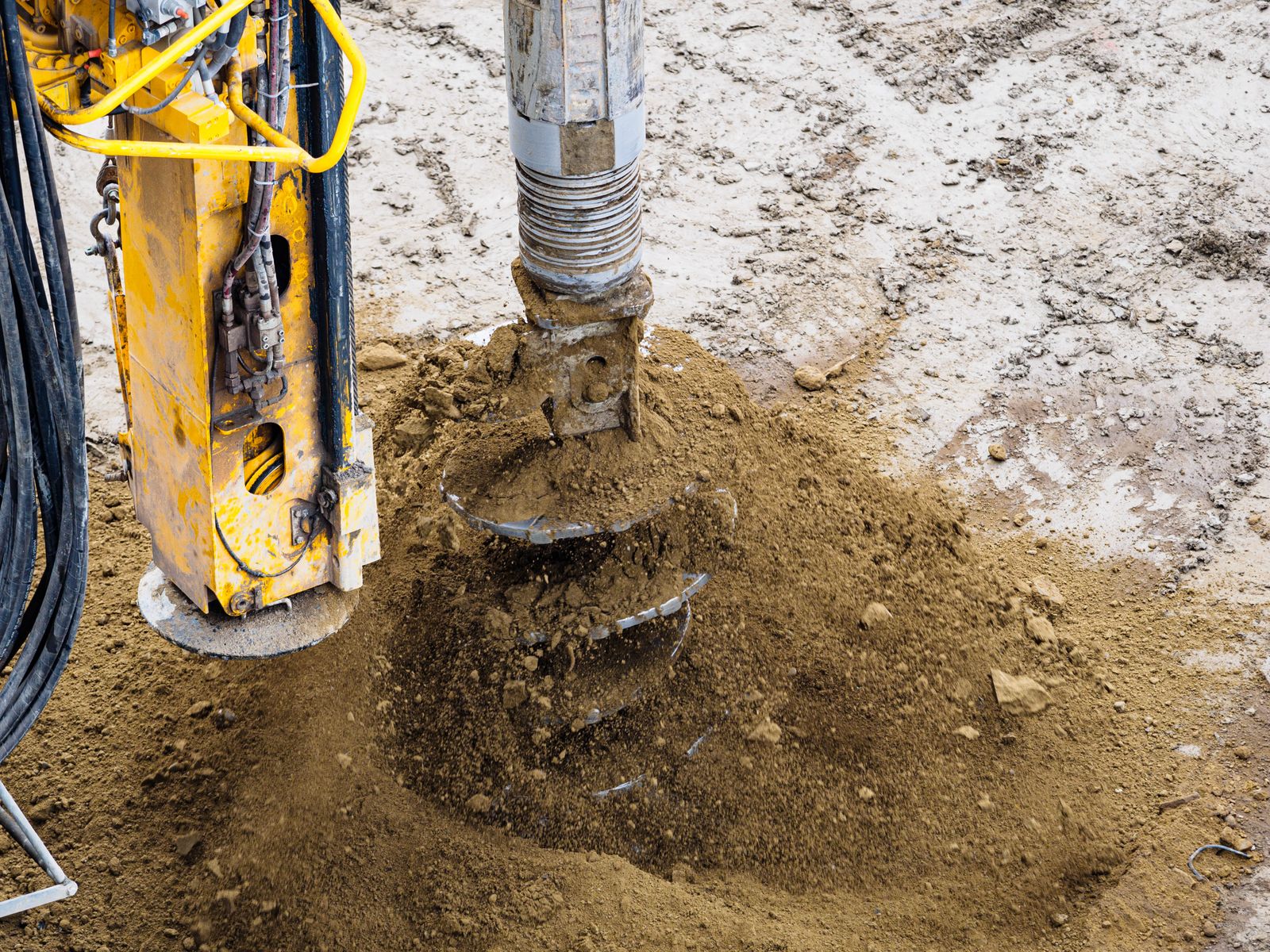
A drilling auger turning sandy soil out of a borehole

Desk study, boreholes and trial pits, lab tests and the risk assessment the council asks for, then the remediation plan and the sign-off report.

Desk study in 10 working days; drilling usually within three weeks (sample).

An ecologist watching through binoculars at the edge of a field

Preliminary ecological appraisals, bat, bird, newt and reptile surveys in their seasons, and the mitigation plan for the planning application.

Appraisal visits all year; species surveys only in their season.

A gloved hand holding a test tube of brown groundwater outdoors

Monitoring wells, water sampling, soakaway tests and flood risk notes for sites where water decides the design.

Monitoring visits monthly or quarterly (sample).

Hands pointing at a printed site plan on a desk

Waste and water permits, site waste plans, dust and noise plans for construction, and replies to the regulator.

First advice call within a week (sample).

From desk study to sign-off

The order a land contamination condition is cleared in. Many sites stop after step one or three, when the ground turns out to be clean.

1

Desk study

Old maps, records and a walk round the site. It says what might be in the ground and where to look.

Read by the planning officer

2

Ground investigation

Boreholes and trial pits where the desk study points, samples to an accredited lab (sample).

Logged on site, one sheet per hole

3

Risk assessment

Lab results set against the levels for the new use: homes with gardens, offices or open space.

Read by the contaminated land officer

4

Remediation strategy

What will be dug out, covered or treated, and how each step is checked.

Agreed with the council before work starts

5

Verification report

Photos, records and test results that show the plan was carried out.

Discharges the planning condition

When ecology surveys can be done

Wildlife surveys only count in their season. Miss the window and the planning decision can wait a year, so book in winter for a spring application.

Preliminary ecological appraisal

All year; best from April to September, when plants can be named

Bat roost surveys

Inspection all year; emergence surveys from May to September, at dusk and dawn

Breeding birds

March to August, early in the morning

Great crested newts

Mid-March to mid-June for pond surveys; water samples from mid-April to June

Reptiles

April to June and September, on mild mornings

Badgers

All year; easiest from February to April, before the undergrowth grows

Recent projects

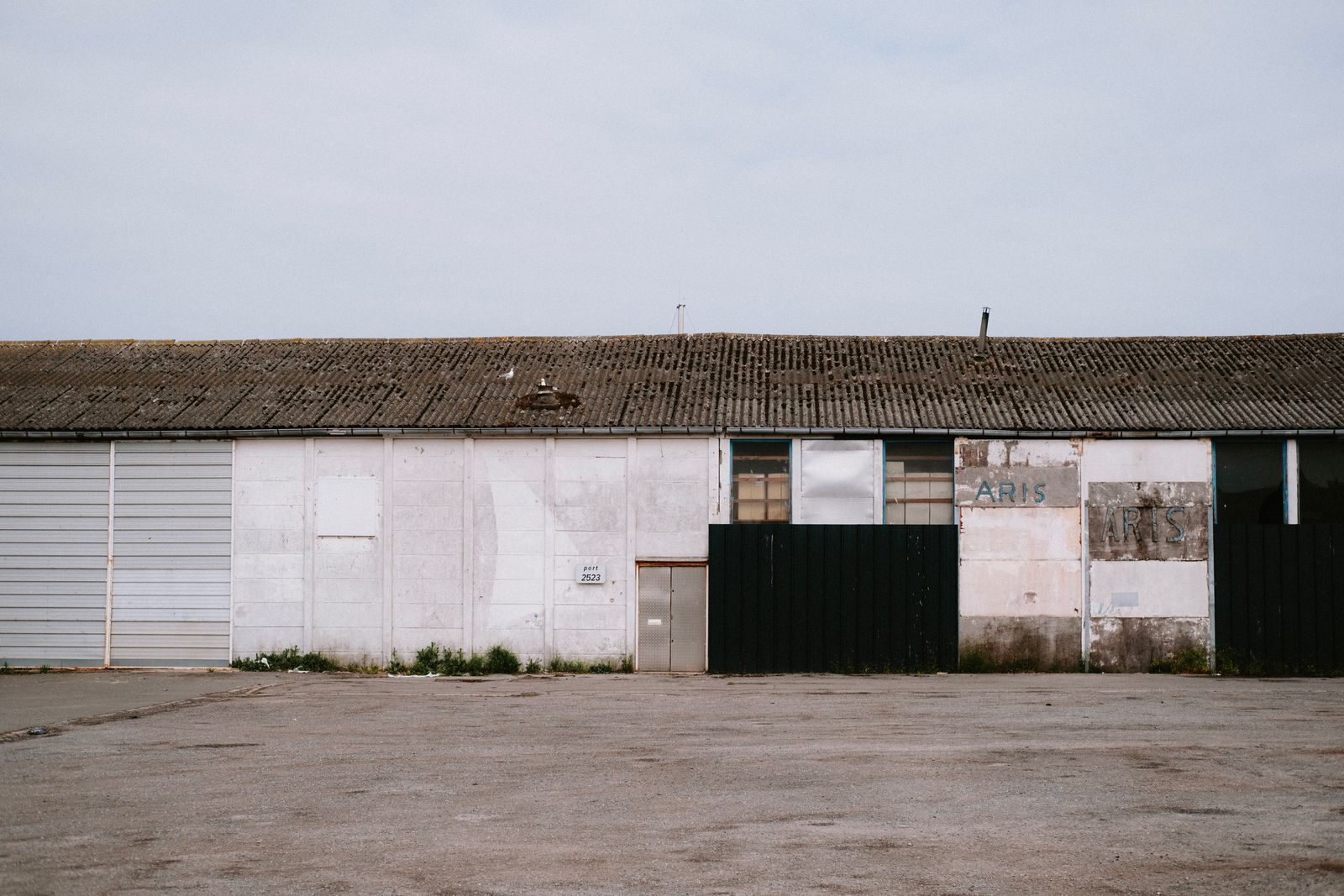
A long, disused depot shed with a weathered front and an empty concrete yard

Mill Lane, Springfield. 46 homes planned (sample).

What we found. Ash and clinker made ground to 1.80 m with diesel in it near the old fuel tanks; clean clay and groundwater below.

What happened next. The made ground under the gardens was dug out and replaced with 600 mm of tested clean soil. The condition was discharged in March (sample).

An old industrial works standing in rough grassland

Old dye works by the river

Riverside, Springfield. A new public park (sample).

What we found. Metals in the river bank and a culvert full of silt; bats in the boiler house roof.

What happened next. The bank was capped and planted, the culvert cleared, and a bat loft kept in the boiler house when it became a café (sample).

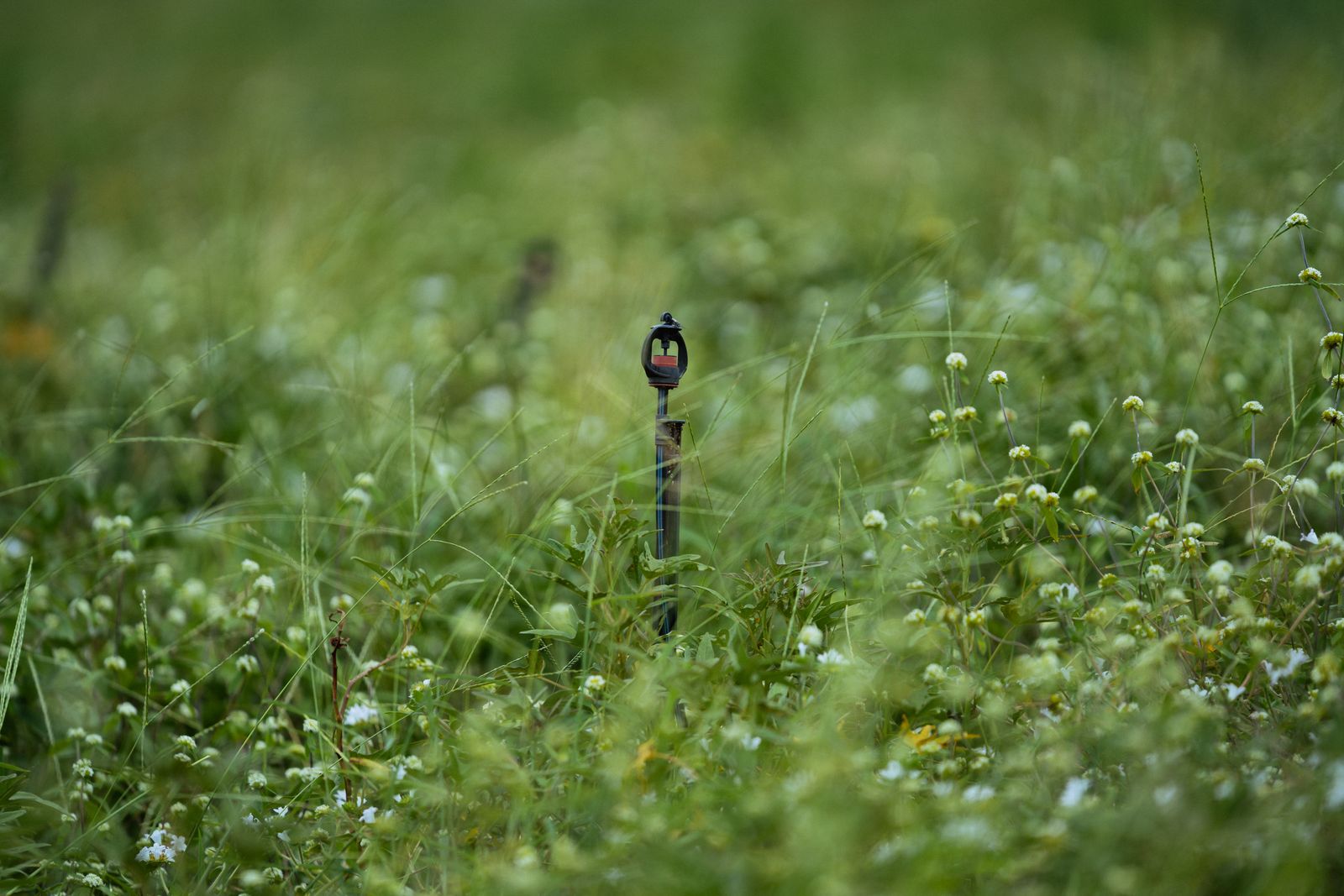
A small survey marker standing in a meadow of grass and wildflowers

Barns at Hollow Farm

Four homes in converted barns (sample).

What we found. A small summer roost of common pipistrelle bats in one barn and swallow nests in another.

What happened next. Work started in October after the bats left, under a licence, with new roost spaces under the ridge tiles (sample).

Fees

Fixed fees for the first steps, so you can plan the budget before the ground is opened. Larger sites are quoted on the site plan.

Desk study

Historical maps, records, a site walkover and the report for the planning application.

10 working days

from $1,450

Ground investigation

Four to six boreholes or trial pits, lab tests, logs and the risk assessment.

3 to 5 weeks

from $6,800

Preliminary ecological appraisal

A habitat survey, a records search and the list of any species surveys needed.

2 weeks

from $850

Bat emergence survey

Two surveyors at dusk or dawn with detectors; the season decides the dates.

per visit

$480

Groundwater monitoring visit

Water levels, a gas reading and samples from up to three wells.

per visit

$390

Example prices, before tax and lab costs over the usual suite.

Questions before you book

With a desk study. It is often all the council needs for a site with a clean history, and it tells you whether drilling is needed and where.

About three to five weeks from booking to report: a day or two of drilling, two weeks for the lab and a week for the report (sample).

We can inspect buildings for signs of bats all year, but emergence surveys only count from May to September. If your application is in spring, book the survey in winter.

Sometimes: to watch the dig-out of contaminated soil, to check clean cover depths or as ecological clerk of works. It is set out in the strategy the council agrees.

Yes. If the desk study or the first holes show nothing of concern, the report says so and we do not sell you more work.

Field notes

Send us the site address

We check the old maps and the planning record before we reply, so the quote fits the site. Most quotes go out within two working days (sample).

Demo photos from Pexels by IslandHopper X, Павел Хлыстунов, Igor Pericles, Vladimir Srajber, Mikhail Nilov, Jahra Tasfia Reza, Mathias Reding, Nuno Magalhães, Alena Darmel, RDNE Stock project, Grégory Costa, Nalam Team. The theme download contains placeholder pictures, not these photos.