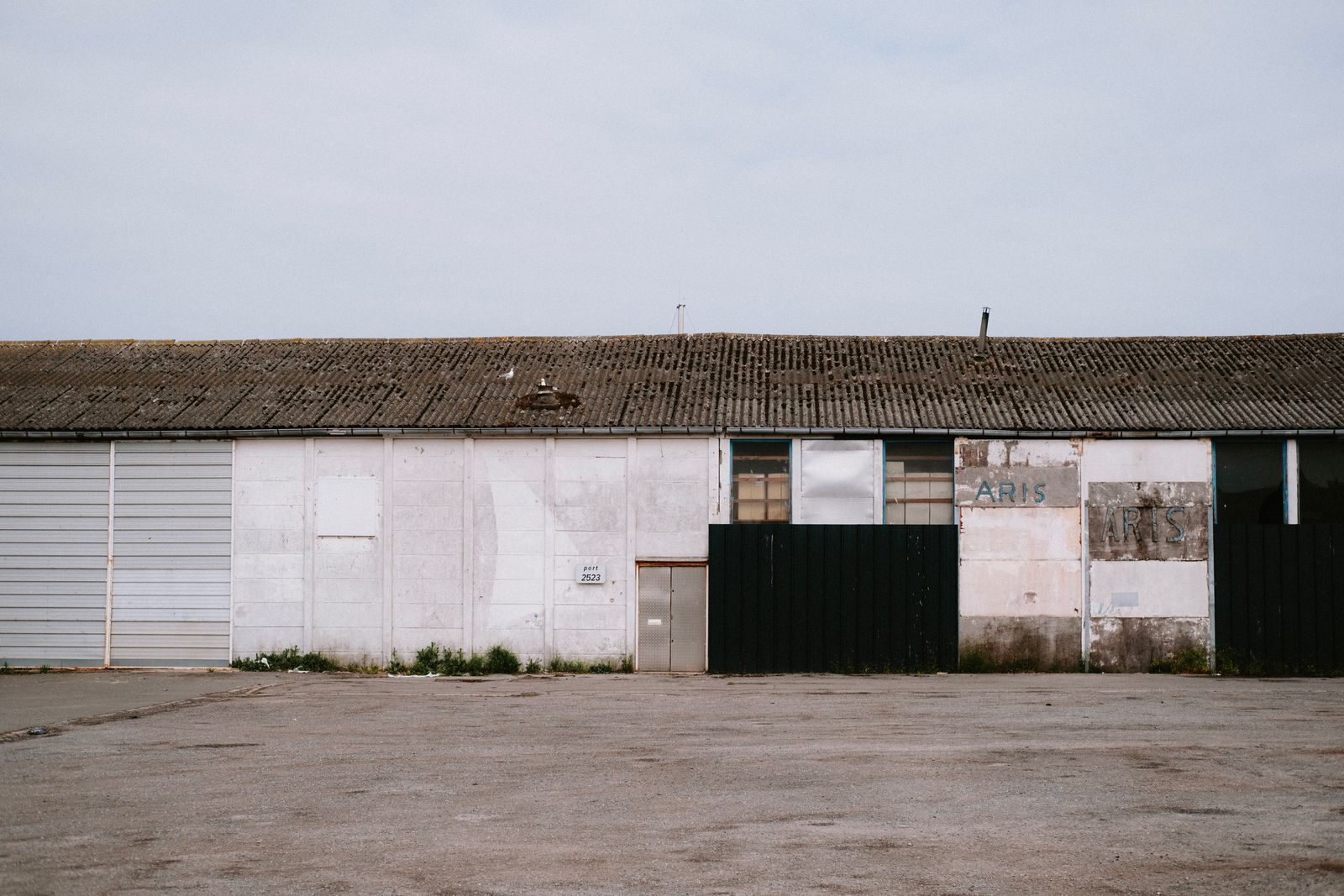
Mill Lane, Springfield. 46 homes planned (sample).
What we found. Ash and clinker made ground to 1.80 m with diesel in it near the old fuel tanks; clean clay and groundwater below.
What happened next. The made ground under the gardens was dug out and replaced with 600 mm of tested clean soil. The condition was discharged in March (sample).
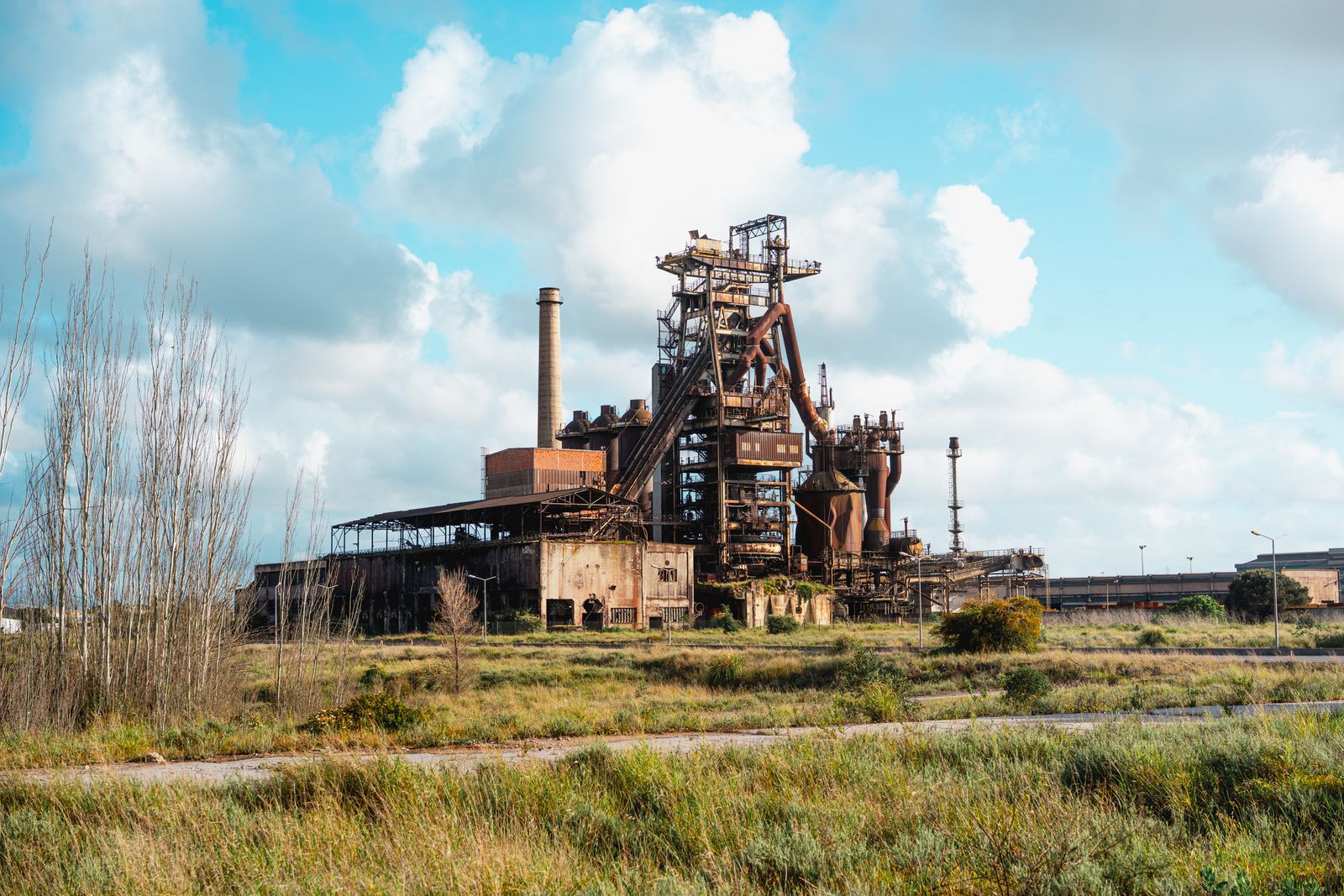
Old dye works by the river
Riverside, Springfield. A new public park (sample).
What we found. Metals in the river bank and a culvert full of silt; bats in the boiler house roof.
What happened next. The bank was capped and planted, the culvert cleared, and a bat loft kept in the boiler house when it became a café (sample).
Barns at Hollow Farm
Four homes in converted barns (sample).
What we found. A small summer roost of common pipistrelle bats in one barn and swallow nests in another.
What happened next. Work started in October after the bats left, under a licence, with new roost spaces under the ridge tiles (sample).
What every report contains
Written for the planning officer and for you: the findings first, the evidence after.
Summary
One page: what was found, what it means and what to do next
The site
History, setting, geology and water, with maps
Evidence
Logs, photos, lab certificates and survey records
Risk
Each finding set against the new use of the site
Next steps
What the council needs next, if anything, and the fee for it
Send us the site address
We check the old maps and the planning record before we reply, so the quote fits the site. Most quotes go out within two working days (sample).