Back to all demos LT Portfolio demo One-page version Get this theme on ltheme.com

Taking on two new projects from January (sample)

Product design from the first card model to the factory sample

Juno Hale designs small appliances, lighting and outdoor gear for brands that make things (sample). Every project is a row of models like this one, each answering one question before the next is made.

Centimetre ruler

cm

Card mock-up of the kettle: folded card body and a paper handle

M1 Card
How big?
Week 2

Blue foam block of the kettle body, without handle or spout

M2 Foam
Space on the counter
Week 3

Blue foam kettle body with a foam handle

M3 Foam
Grip and balance
Week 4

3D printed kettle with spout, lid and handle

M4 Print
Lid, spout and pour
Week 7

Works-like rig: a box with the heating element, a spout and a cable

M5 Rig
Boil time and safety
Week 10

Painted looks-like kettle in deep blue on its base

M6 Paint
Colour and finish
Week 13

Factory sample of the kettle in white, with water window and switch

M7 Sample
Shipped
Week 22

Pour kettle for Brightwell Home (sample): seven models in 22 weeks, card mock-up to factory sample. All models drawn to the same scale, ruler in centimetres.

Selected work

Three products from the last two years, each from the first sketch to the first parts off the production tools.

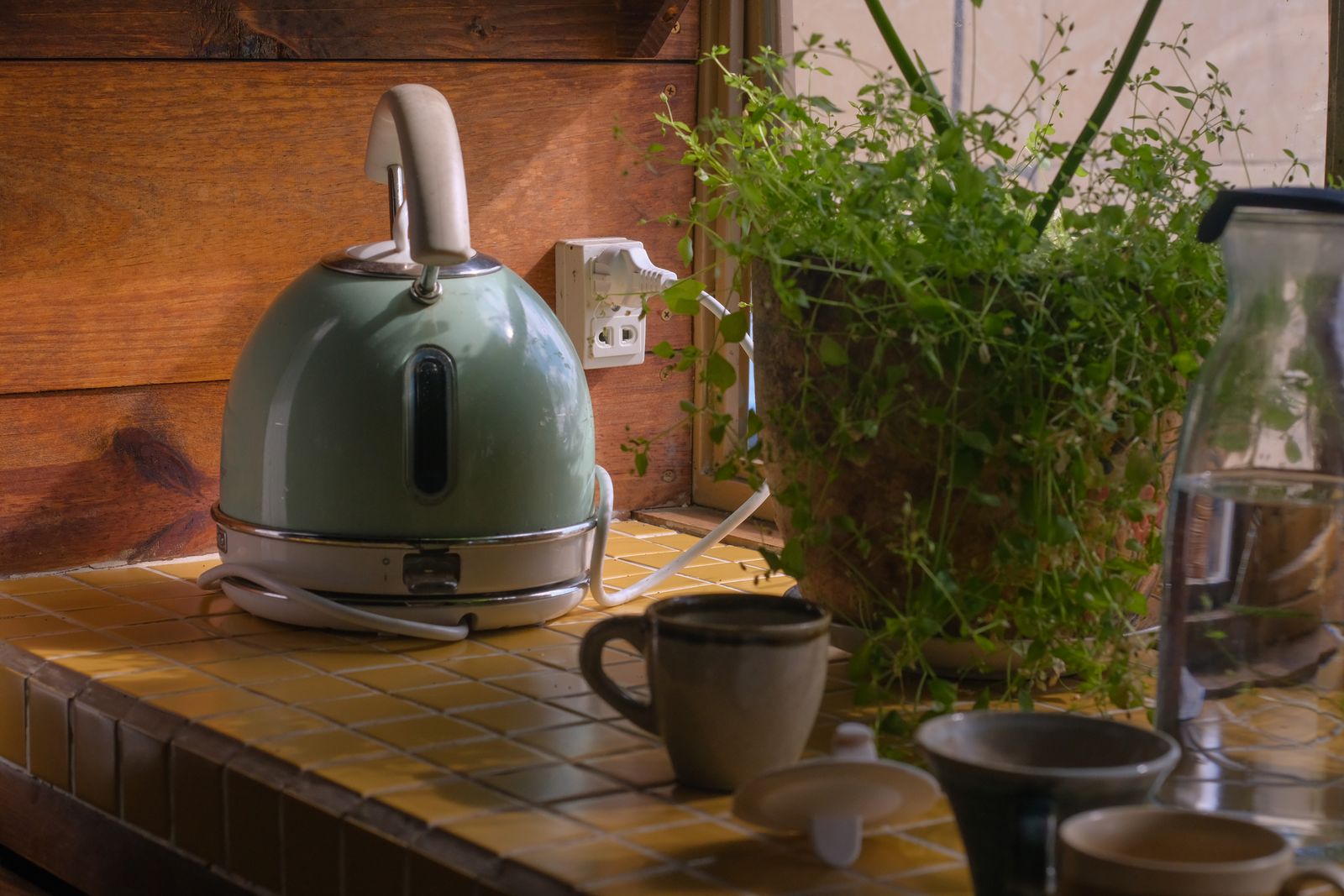
A one-cup kettle for small kitchens that boils 0.4 litres in under two minutes and pours without dripping.

Client

Brightwell Home, small appliances (sample)

My part

Concept to factory sample

Models

7 in 22 weeks

Status

On sale since spring (sample)

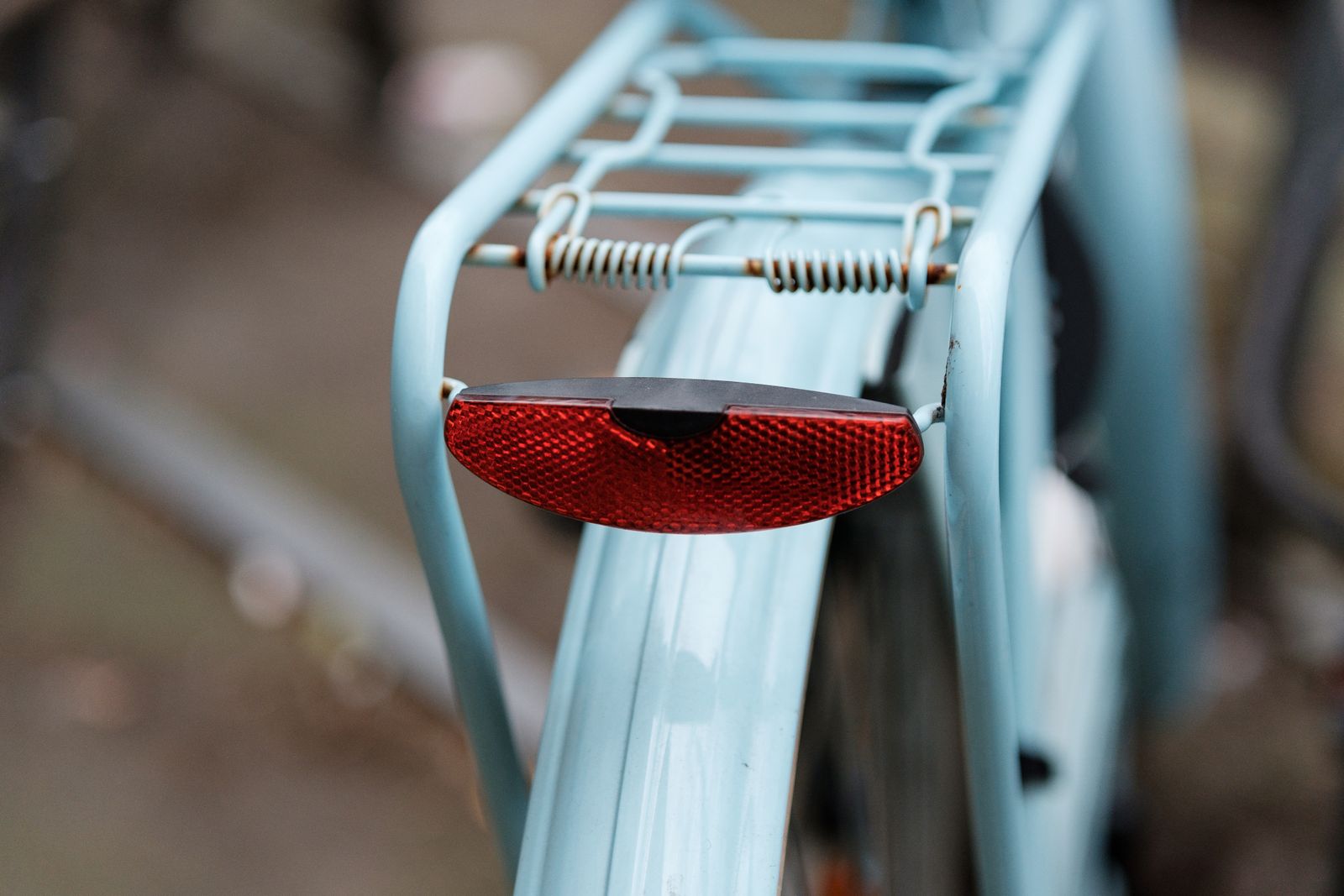
A rear light that clips to any seatpost without tools and lasts a week of commuting on one charge.

Client

Loop Cycles, bike accessories (sample)

My part

Concept, prototypes, factory support

Models

4 in 16 weeks

Status

On sale (sample)

A desk lamp with one friction joint, no springs and no glare on a laptop screen, made from 80 percent recycled aluminium.

Client

Oakline Office, workplace furniture (sample)

My part

Concept to factory sample

Models

5 in 19 weeks

Status

Launching next season (sample)

What each model answers

The fill in every line-up is the material. Each kind of model costs a different amount of time and answers a different question, so you only pay for the ones your product needs.

Card mock-up swatch

Card mock-up

Is it the right size? Card, tape and a printed label, made in an afternoon. Cheap enough to make five and throw four away.

Half a day

Foam model swatch

Foam model

How does it feel in the hand and look in the room? Blue foam is cut, sanded and held, and changed with a knife the same day.

1 to 3 days

3D printed model swatch

3D printed model

Do the details work? Lids, clips, joints and buttons are printed to size and tried, part by part.

2 to 5 days

Works-like rig swatch

Works-like rig

Does it work? An ugly box with the real heater, LEDs or motor inside, tested for heat, battery life and safety.

1 to 3 weeks

Looks-like model swatch

Looks-like model

Is this the product? Printed, filled, sanded and painted in the chosen colour and finish, for photos and buyers.

1 to 2 weeks

Factory sample swatch

Factory sample

Did the factory make what we drew? Parts from the production tools, measured against the drawings before sign-off.

From the factory

Services

Book one stage or the whole project. Prices are fixed per stage once the brief is agreed.

Concept design

Research, sketches, card and foam models and three clear directions to choose from, with renders of the chosen one.

4 to 6 weeks

Prototyping

Printed models, works-like rigs and painted looks-like models, made in the workshop and tested with you.

1 to 8 weeks

From $400 a model

Design for manufacture

Production CAD, drawings, colour and finish codes, factory reviews and sign-off of the first samples.

4 to 8 weeks

Example prices.

How a project runs

Seven steps from the first call to the first factory sample. A whole product takes about 22 weeks; you can stop after any step and keep everything made so far.

1

Brief and research

Weeks 1 and 2

We agree who the product is for, what it must do, the target price and the factory, if there is one already.

2

Sketches and card

Weeks 2 and 3

Dozens of sketches, a few card mock-ups and one review together. You keep every sketch.

3

Foam and printed models

Weeks 3 to 8

Shape, size and the details, one question per model, each tested in the hand and in the room.

4

Works-like rig

Weeks 8 to 11

The heater, motor or electronics in a test box, so the engineering is proven before the looks are fixed.

5

Looks-like model

Weeks 11 to 14

One painted model of the final product, for photos, buyers and crowdfunding.

6

Design for manufacture

Weeks 14 to 20

Production CAD, drawings and colour codes for the factory, and answers to every tooling question.

7

Factory sample

Weeks 20 to 22

The first parts from the tools are measured and tried; we sign off or send changes.

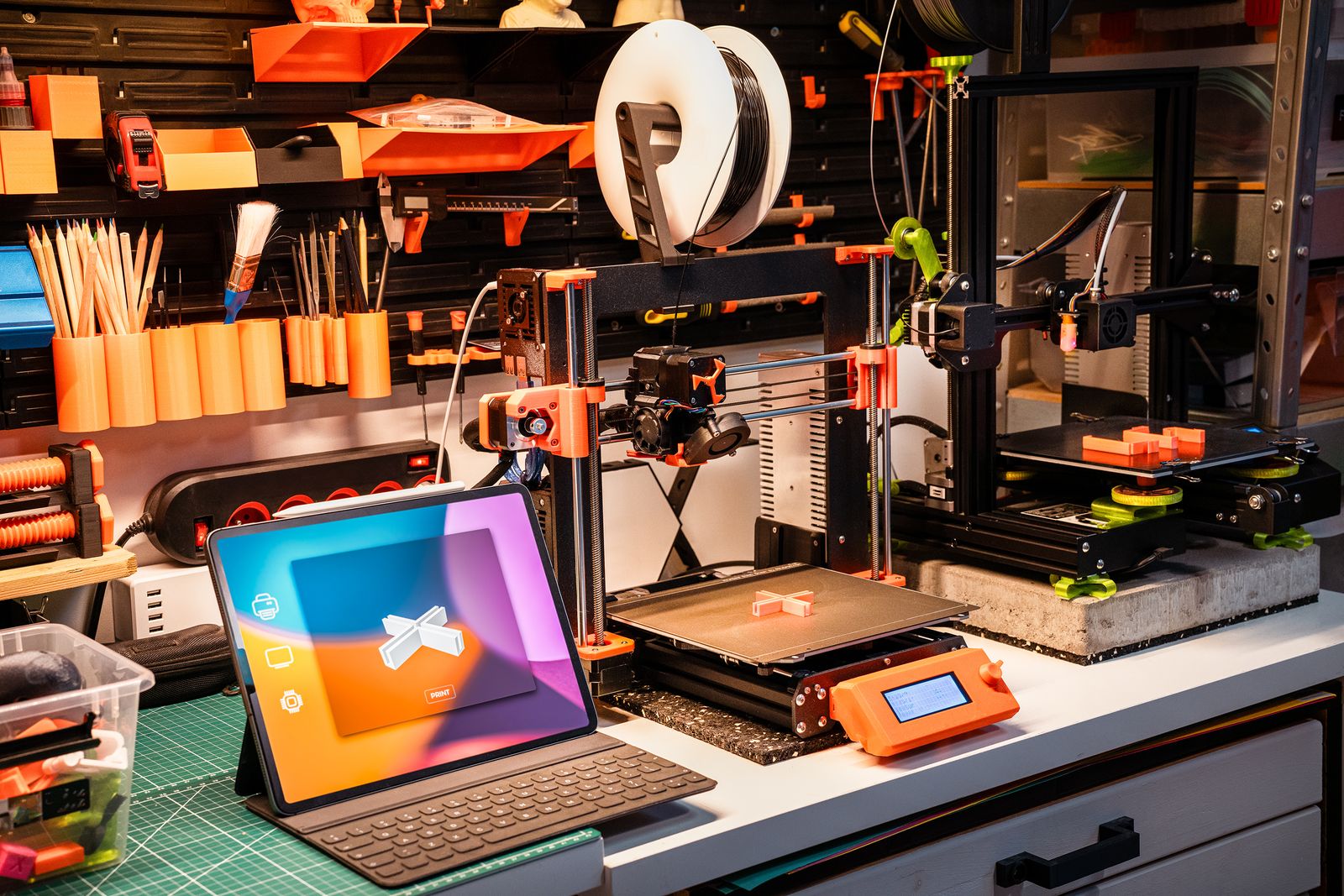
A workbench with two 3D printers, a tablet on a green cutting mat and tools hung on the wall

Models are made here, not sent out

A small workshop at 7 Canal Works, Springfield (sample), with printers, a foam table and a spray booth. Most models are ready the week they are drawn.

Printers

Two filament printers and one resin printer

Foam

Hot wire, band saw and sanding table

Finishing

Filler, spray booth, colour samples

Measuring

Calipers, height gauge, scales

Workshop list (sample).

“Seven models sounded like a lot. Then M5 caught a lid that steamed the handle, three months before we paid for the tools.”

Sample client, product manager at a home appliance brand

From the notebook

Have a product to make?

Send a few lines about it. Juno replies within two working days (sample) and books a free 30-minute call to talk through the first models.

Demo photos from Pexels by Dương Nhân, RDNE Stock project, Markus Winkler, Jakub Zerdzicki, Pavel Danilyuk, Thirdman, Mikhail Nilov, Anete Lusina, Tima Miroshnichenko. The theme download contains placeholder pictures, not these photos.