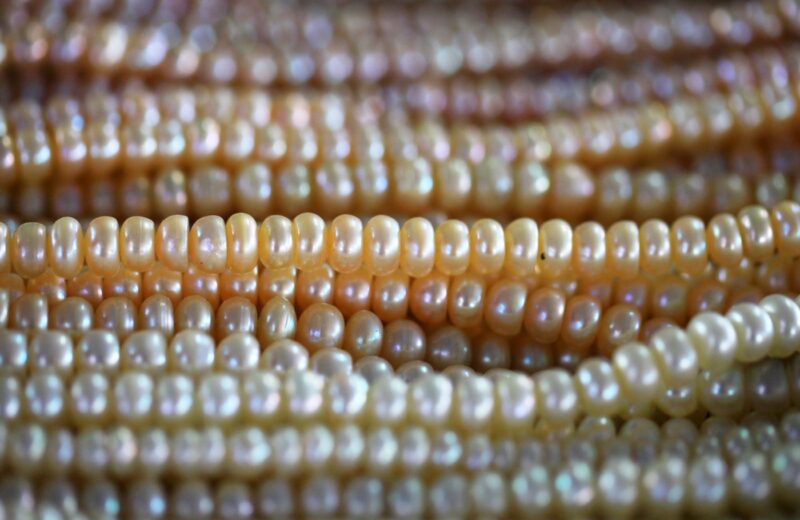
Akoya or freshwater? How to tell them apart
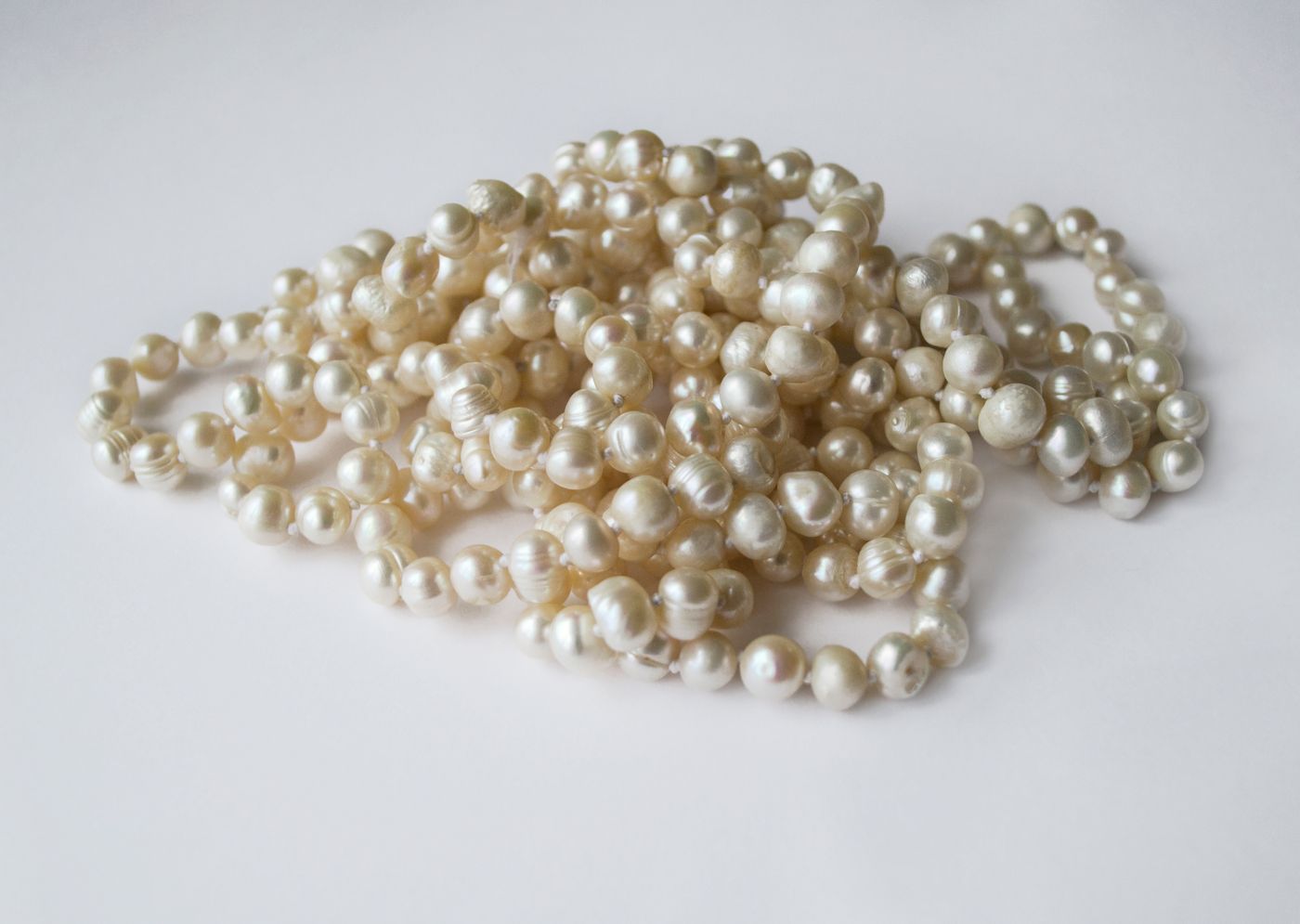
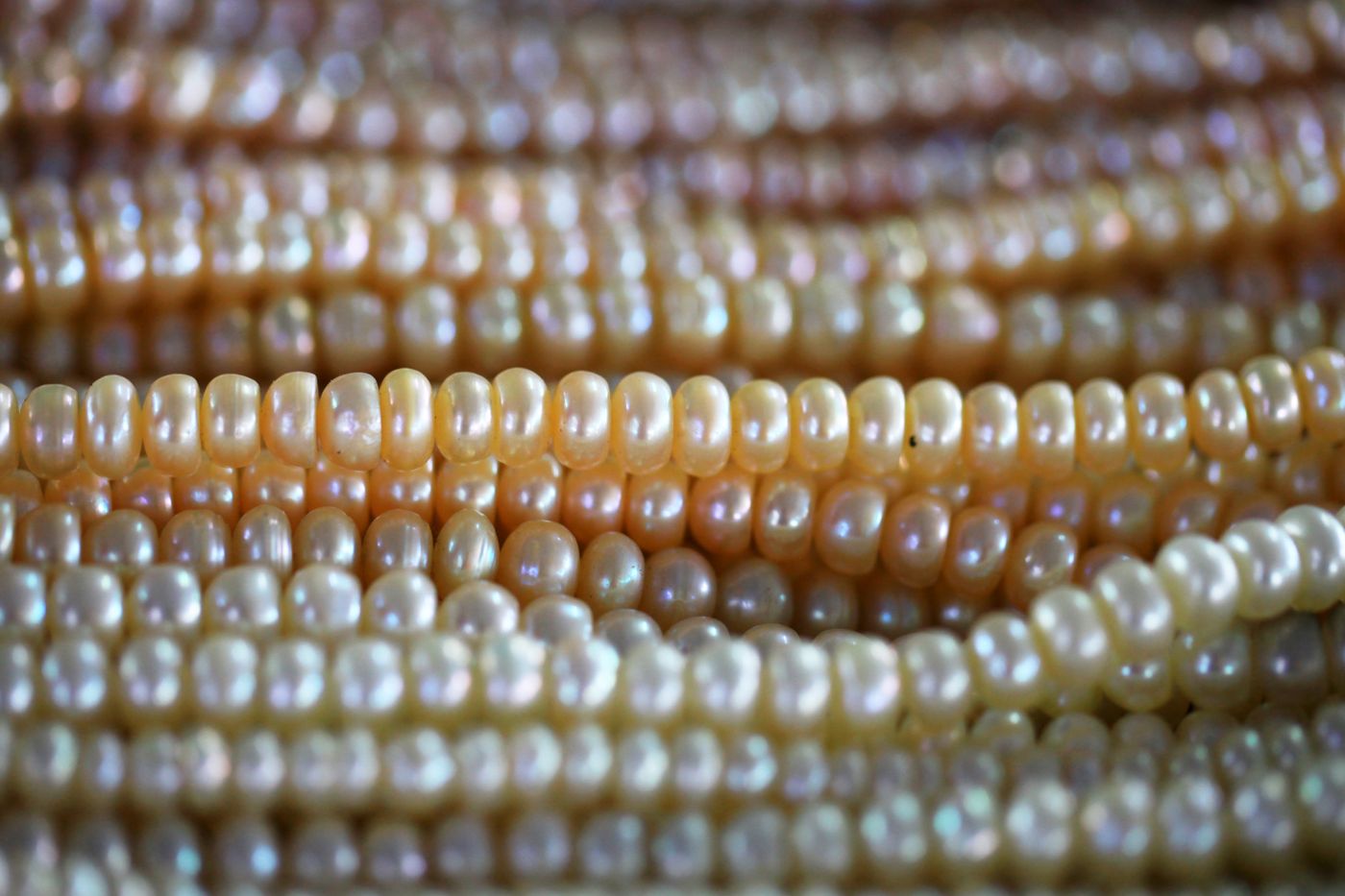
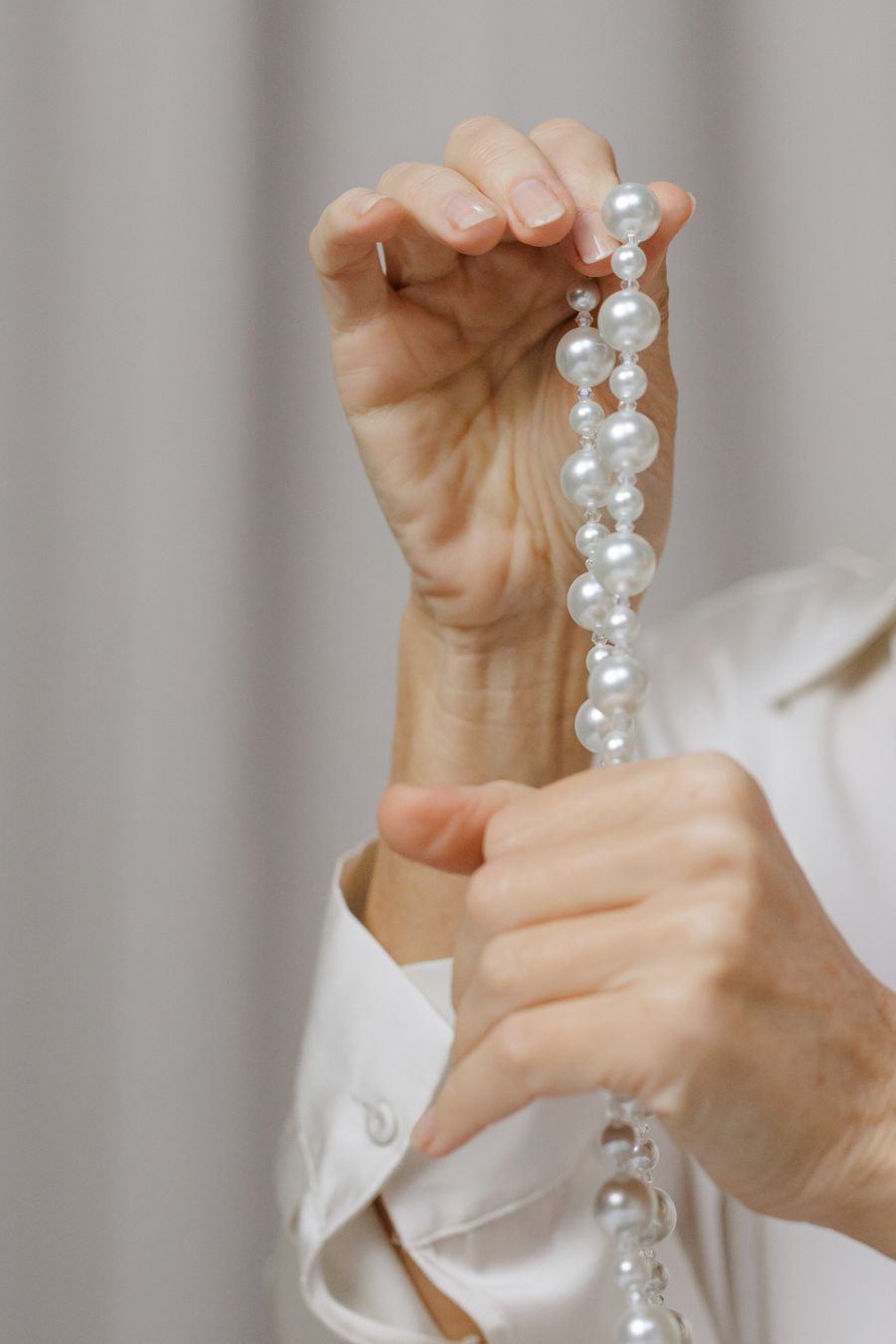
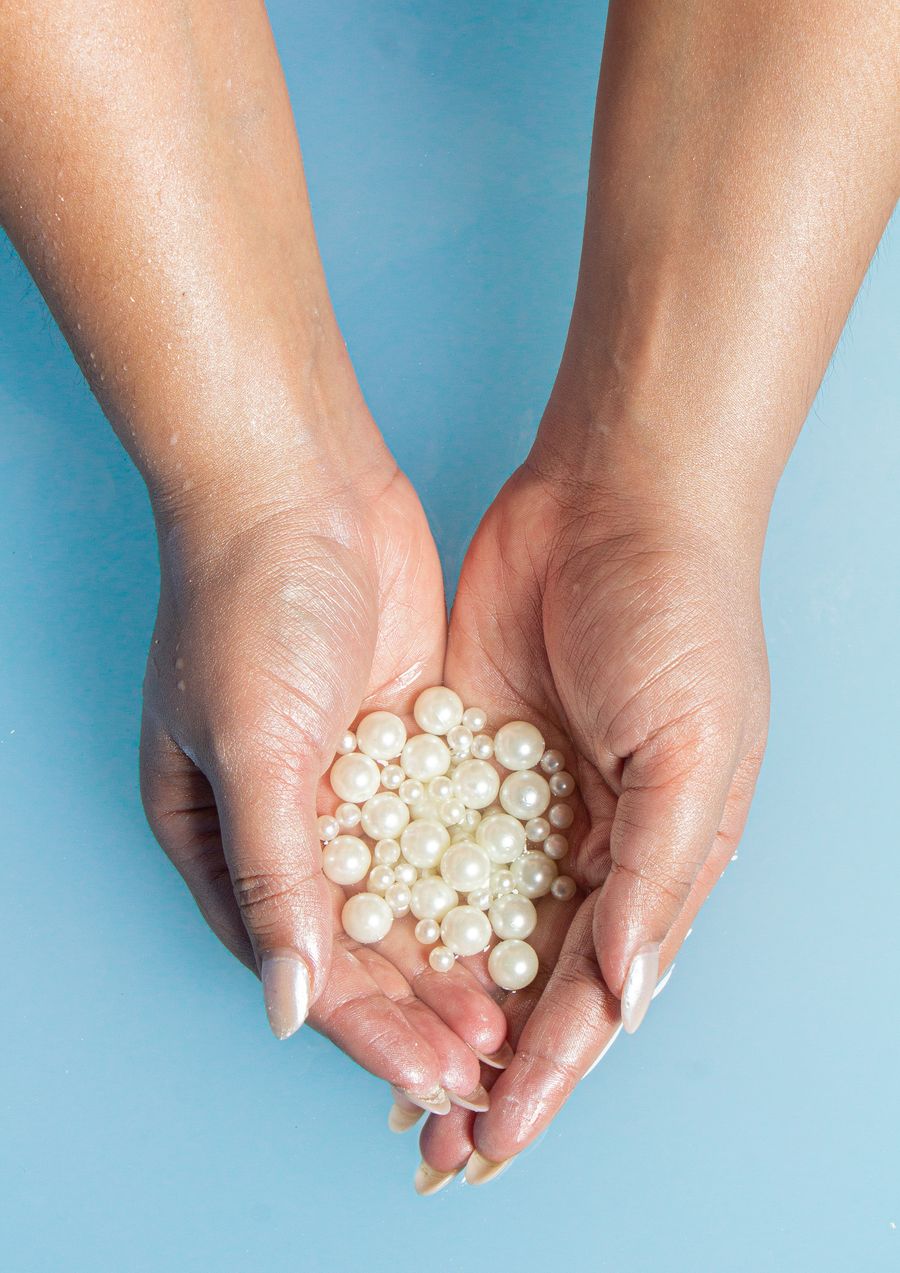
Lustre, shape and price: three things to look at when two white strands look the same (sample).
Open today 10:00–18:00 (sample)
Akoya, freshwater, Tahitian and South Sea pearls, knotted and finished in the workshop above the shop on Harbour Lane (sample).
Saltwater, 6–9 mm. Round and white with a rose overtone: the sharpest mirror lustre.
Farmed in Japan
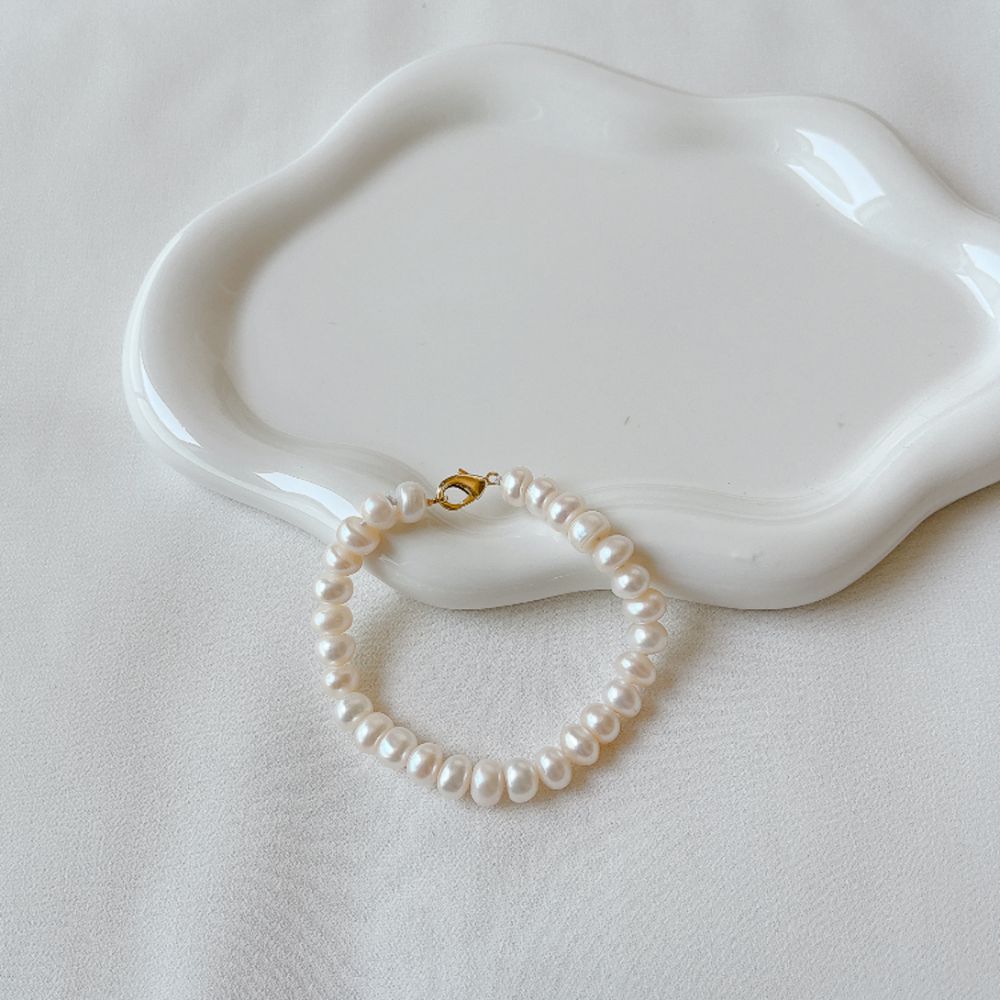
Lake and river farmed, 4–8 mm. Cream, white and pastel, softer lustre, the gentlest prices.
Farmed in China
Saltwater, 8–14 mm. Natural graphite, green and peacock tones, never dyed.
Farmed in French Polynesia
Saltwater, 9–16 mm. White to deep gold, thick nacre and a satin glow.
Farmed in Australia and Indonesia
Each pearl in the badges is drawn to scale at its type’s usual top size, in its natural colour.
Since 1998 (sample)
Harbour Lane Pearls (sample) buys pearls by the strand from farms we know, sorts them by hand and knots every necklace in the workshop above the shop.
Come in to look, to ask, or to bring a strand that belonged to someone before you.
We knot between every pearl. If the silk ever breaks, you lose one pearl, not the whole strand.
The stringer’s note
4
pearl types, all farmed
4–16 mm
from seed pearls to South Sea
7 days
to restring a necklace (sample)
1998
first strand knotted here (sample)
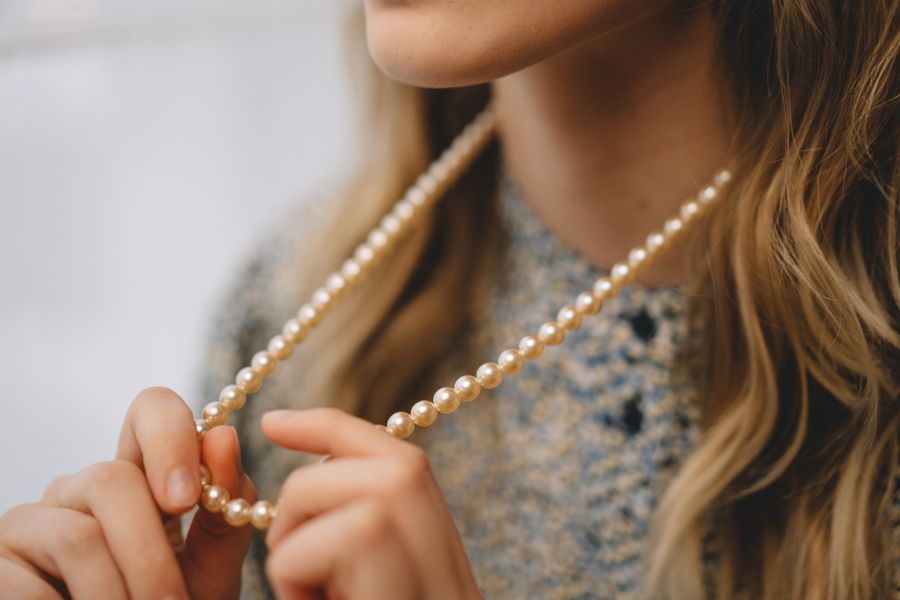
Every piece carries its grading line: the pearl type, the size in millimetres and the grade, from AAA (the finest lustre and surface) to A.
Example prices. Every piece can be seen at the counter before you decide.
The collection
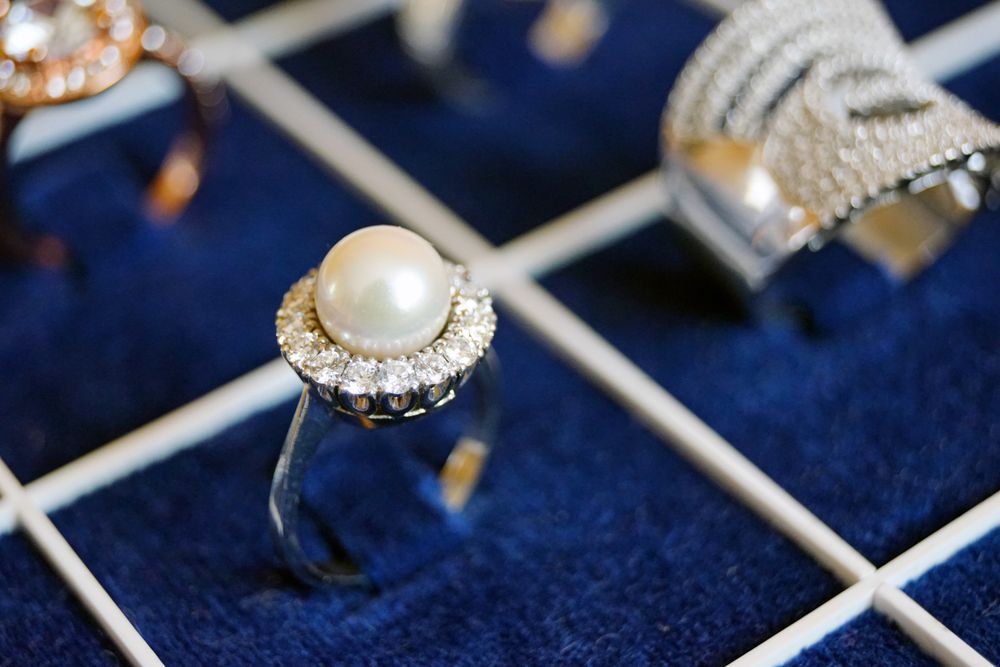
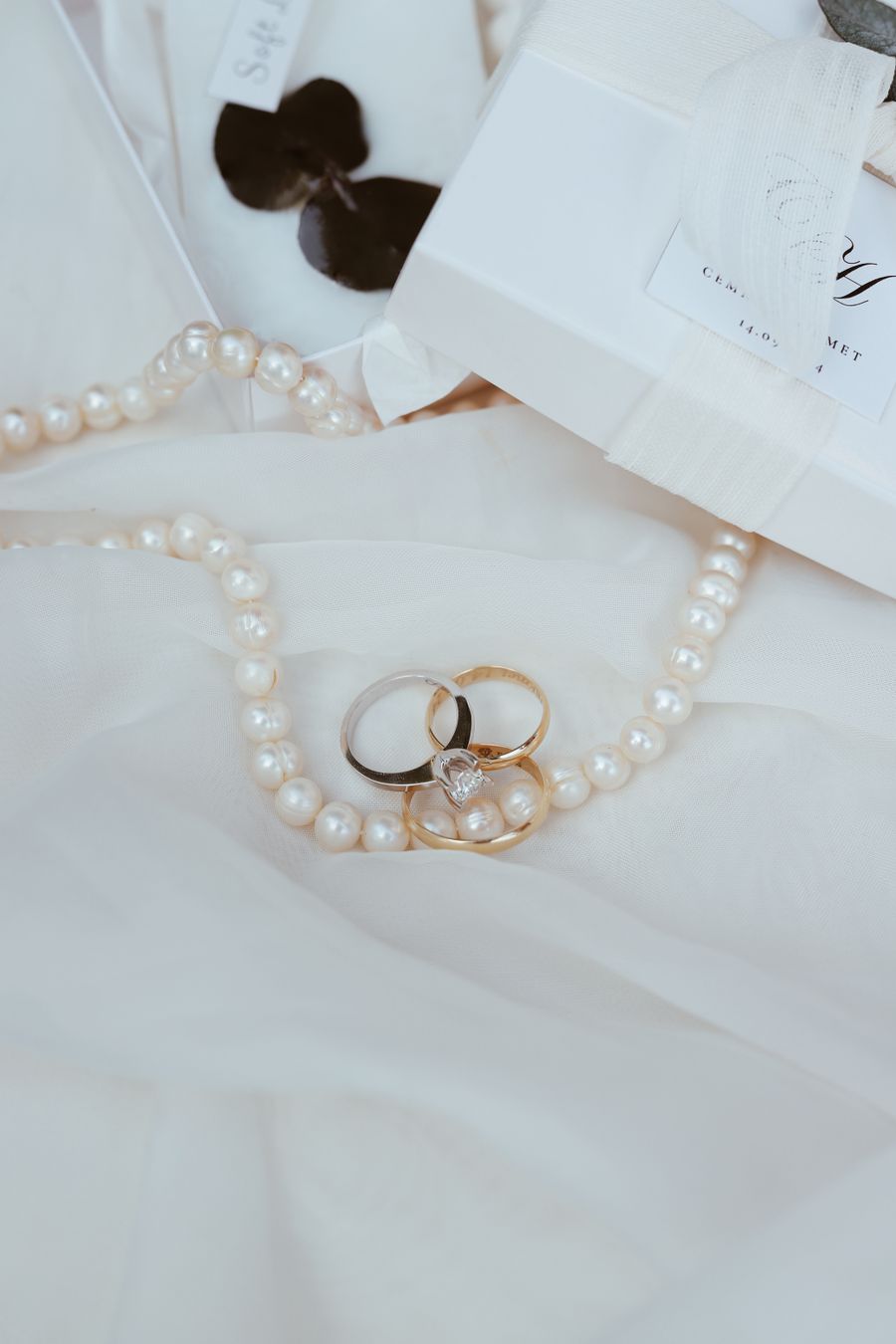
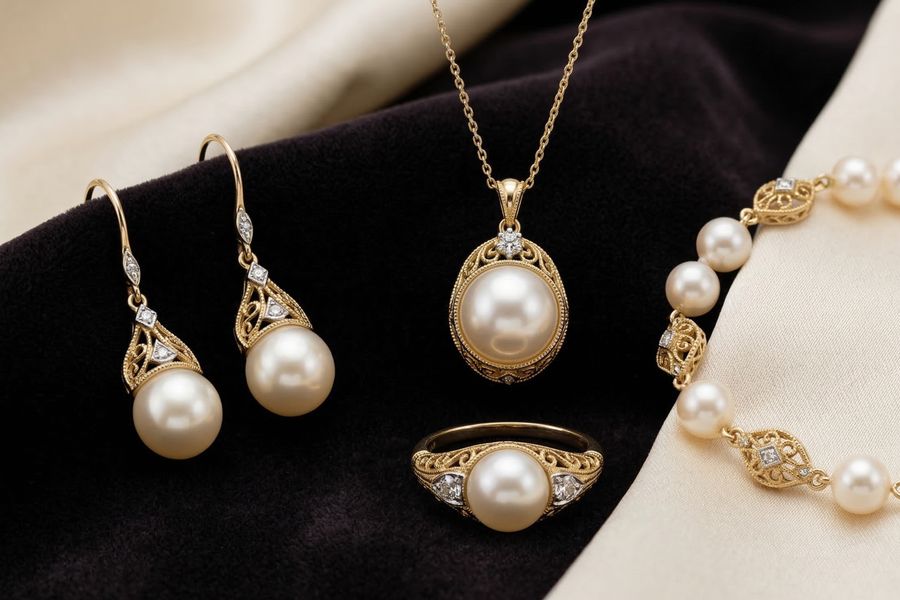
Classic strands, pendants, bridal sets, earrings and rings, in all four pearl types. Most pieces can be shortened, lengthened or re-clasped while you wait.
The shop is small and quiet. Walk in to look at the cases, or book a viewing and we lay out the pieces you want to see on a white card, under daylight lamps.
14 Harbour Lane, Springfield (sample)
Tuesday to Saturday, 10:00–18:00
Upstairs at number 14 (sample)
Restringing drop-off at the counter
14 Harbour Lane, Springfield (sample)
One person buys the pearls, one sorts and matches them, one knots them on silk. You will meet at least two of them at the counter (sample).
Owner and pearl buyer (sample)
Sorting and matching (sample)
Stringer, 22 years at the bench (sample)
The workshop
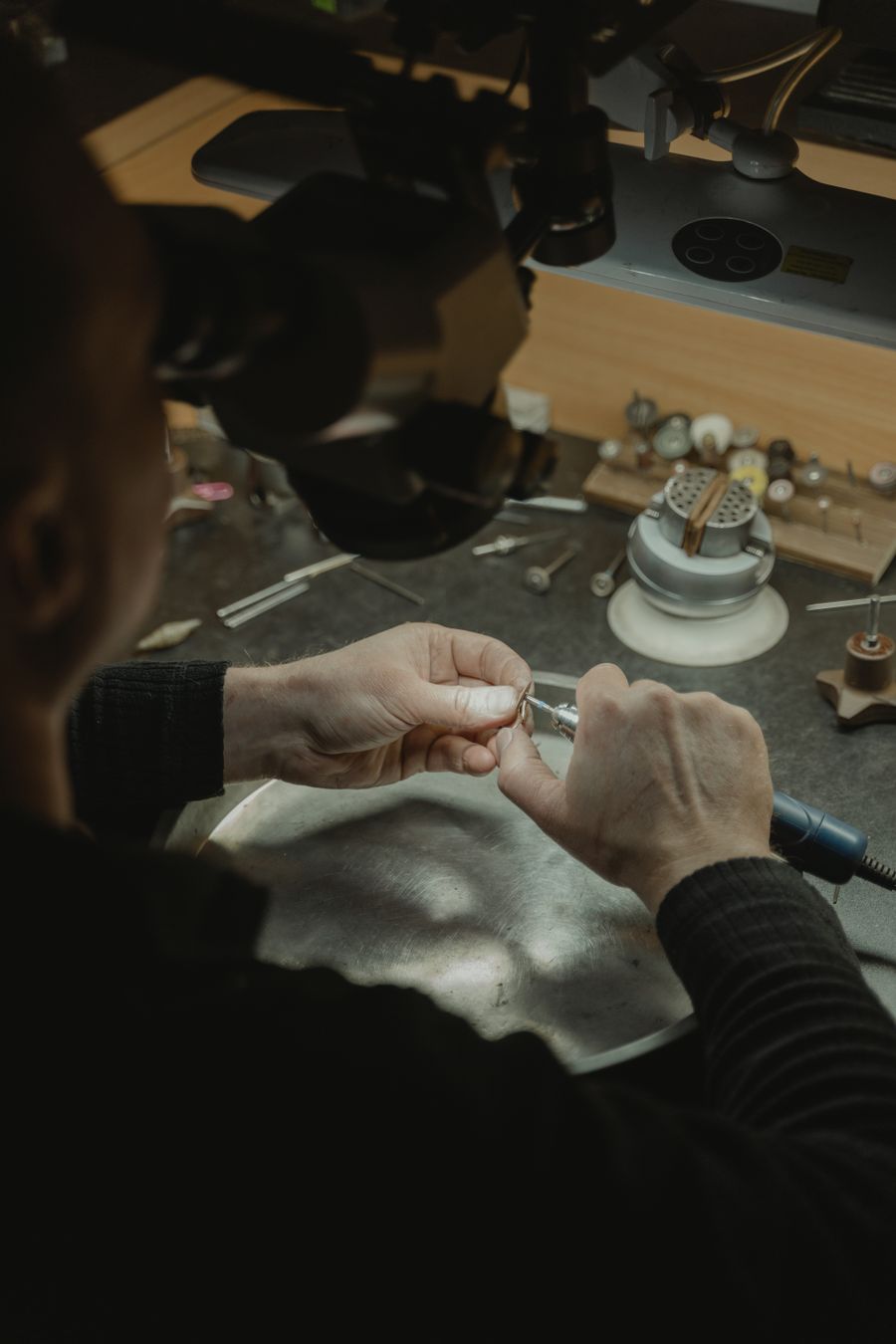
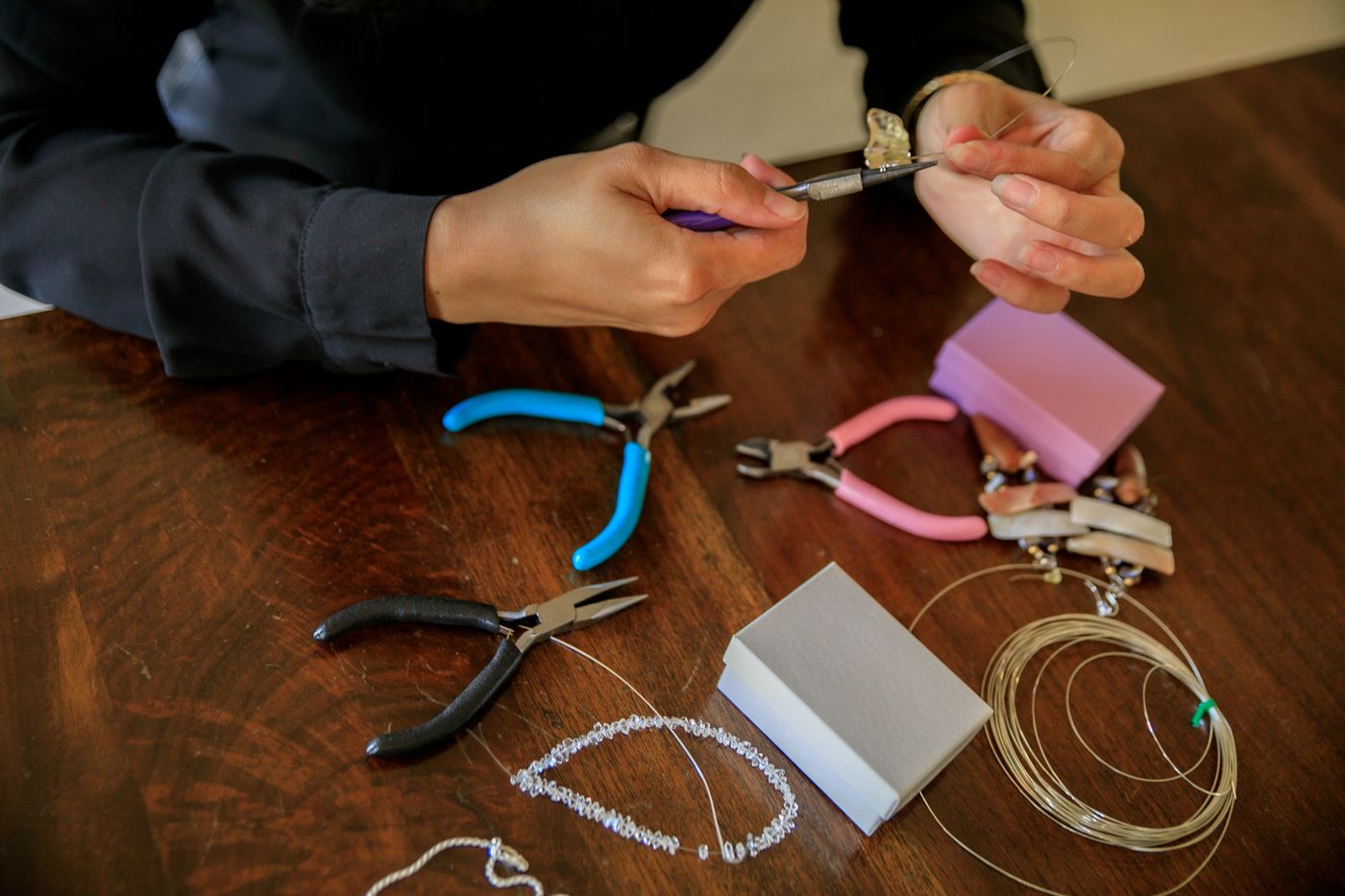
Pearls are strung on silk, and silk stretches. Bring in any strand, ours or not: we check every pearl, knot it on new silk, add a clasp if it needs one and post it back or keep it at the counter.
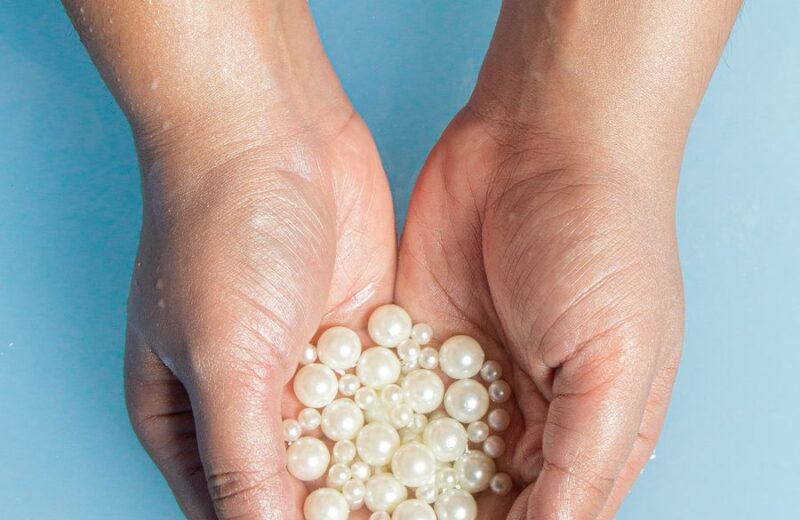
What people tell us when they come back to the counter.
My grandmother’s strand had been in a drawer for twenty years. It came back knotted, cleaned and with a new clasp, and nothing about it felt changed.
Restringing, spring (sample)
I asked about studs for my wedding and left knowing why one pair cost three times the other. We chose the cheaper ones, and they were perfect.
Bridal studs, summer (sample)
How to choose pearls, how we string them and how to keep them bright.

Lustre, shape and price: three things to look at when two white strands look the same (sample).

It takes longer and uses more silk. Here is why every necklace in the shop is knotted (sample).

Five habits that keep a strand looking the way it did on the first day (sample).
Demo photos from Pexels by Vitaly Gorbachev, Eugenia Remark, Maria Mileta, Kampus Production, TinyPearl xoxo, Marta Branco, cottonbro studio, Galt Couture, Hatice, Jeffry Surianto, RDNE Stock project, Rana Matloob Hussain, Tima Miroshnichenko, Paloma Lima. The theme download contains placeholder pictures, not these photos.